Speech Tech Summer School: Charting New Futures
June 3 -- 7 2024, Leeuwarden

📆 3 - 7 June 2024
📍 Leeuwarden, Friesland — the Netherlands
📢 Apply here before 1 April 2024
📣 What is speech technology now and what can it become?
Join this five-day journey designed for the innovators, the dreamers, and the hands-on learners. Dive into a dynamic curriculum that blends the arts, ethics, design and technology. Engage in stimulating discussions and thought-provoking lectures. Experience a unique convergence of human-centered design and futuring, opening new horizons in how we think about and interact with technology.
📣 What will you learn?
Foundational knowledge: Grasp the core principles of speech technology, gaining insights into its current landscape and future potential.
Creative application: Creatively apply speech tech principles through engaging activities.
Futuring skills: Develop skills in future trend forecasting and scenario planning. Anticipate and shape the future of this field.
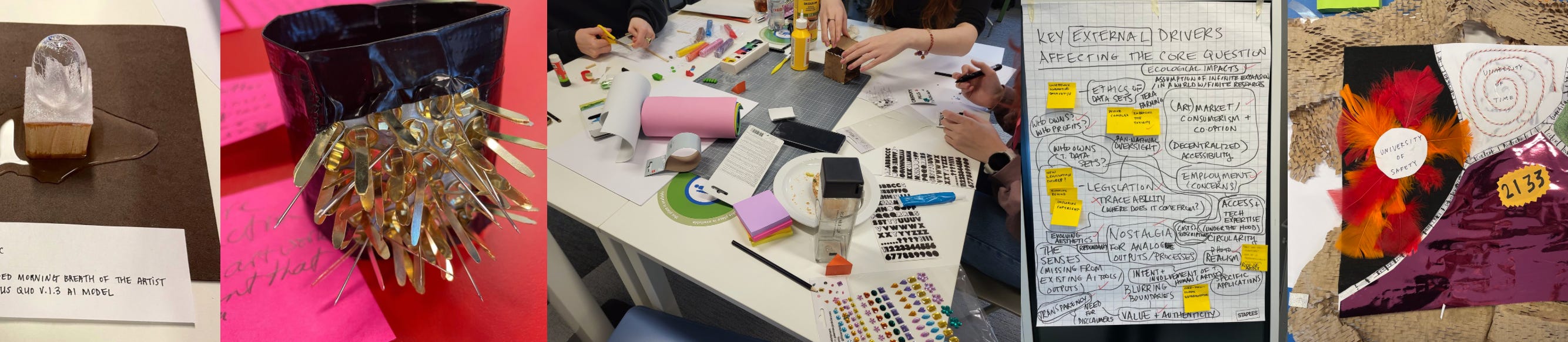
Design thinking: Explore speculative design to materialize your ideas. Transform abstract concepts into tangible prototypes for articulating and visualizing tomorrow’s of speech technology applications.
Ethical insights: Gain understanding of the ethical implications in speech tech. Explore the balance between innovation and ethical responsibility.
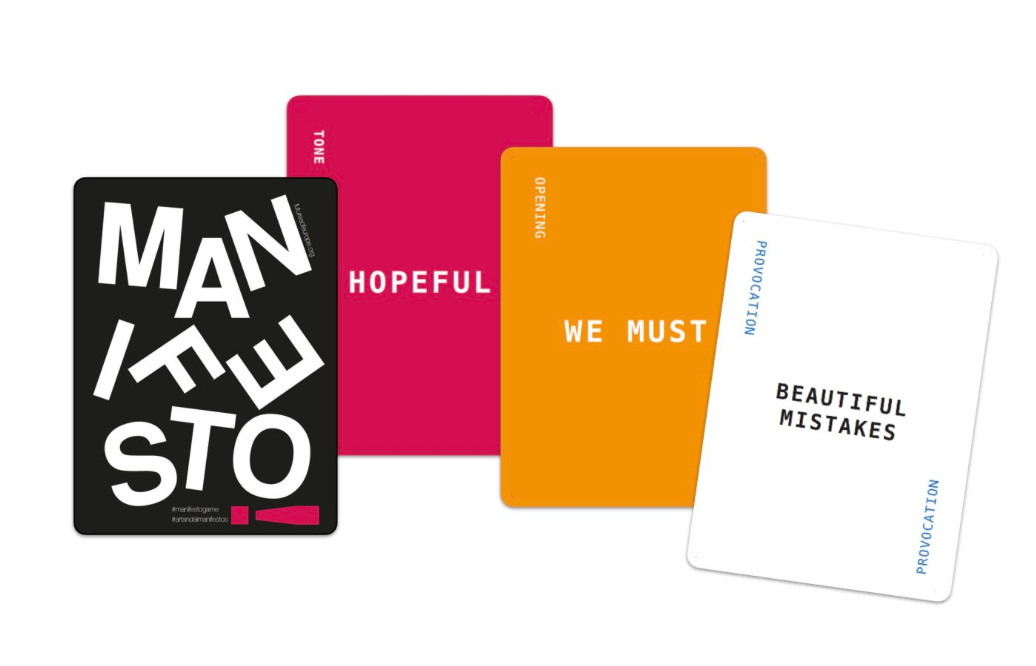
Collaborative synthesis: Bring together your learnings to collaboratively craft a manifesto for inclusive speech interfaces, embodying a collective vision for the future of speech tech.
📣 How will you learn it?
Engaging lectures and discussions by field leaders.
Hands-on lab work for practical experience.
Collaborative group activities and scenario mapping workshops.
Inspirational guest speakers and panel debates.
📣 Is this for you?
Probably, yes. This program is designed for anyone interested in the topic. It is an entry-level summer school for all. No prior knowledge is required.
We predict the students from some disciplines may be particularly interested. In order of relevance:
Emerging Tech and Innovation Studies: Those involved in broader fields of emerging technology, innovation studies, or science and technology studies will find the course's focus on the future implications and ethical considerations of speech technology particularly relevant.
Human-Computer Interaction (HCI) and Responsible User Experience (UX) Design: Students and professionals in HCI and UX Design programs will explore how speech interfaces can enhance UX and accessibility in tech design. We share examples of user-centered design principles in speech tech applications.
Computer Science and AI students: Ideal for those enrolled in BSc or MSc in Computer Science, particularly with a focus on AI. This summer school offers a reflection on how speech technology is developed and integrated into AI systems, providing valuable insights for both theoretical research and practical application.
Linguistics and Phonetics students: Students in Linguistics and Phonetics will find this summer school bridges the gap between theoretical linguistic models and their application in speech synthesis and recognition, offering a unique perspective on the intersection of language and technology.
Cognitive Science and Psychology: For those in Cognitive Science or Psychology, especially those focusing on human-computer interaction, this summer school offers topics of interest.
Don't miss this chance to be part of a community redefining the intersection of technology, ethics, and the arts. Apply now and shape the conversation on the new era of technological innovation! 🔗 More information here.
Instructors
Matt Coler is an Associate Professor of Language & Technology and the Director of the MSc Voice Technology at the University of Groningen Campus Fryslân. He is also Vice Chair of the COST Action Language in the Human-Machine Era (LITHME). Matt’s current research is dedicated to speech technology for small languages. He also works on audition, perception, and indigenous Andean languages.
Julian Hanna is Assistant Professor in Culture Studies at Tilburg University. His research focuses on critical intersections between culture, politics, and technology. He is currently working on speculative methods in education, including a project about possible futures around art and AI. His latest book is The Manifesto Handbook: 95 Theses on an Incendiary Form (Zero Books, 2020), and his next book, Island, will be published as part of Bloomsbury’s Object Lessons series in September 2024.
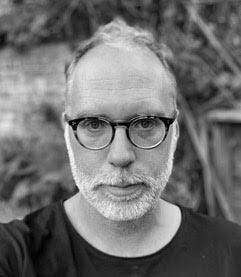
Simone Ashby is an Assistant Professor in New Media Design in the Department of Communication and Cognition at Tilburg University, where she teaches Human Centered Design, Rapid Prototyping, and Responsible UX Design. She is also a co-founder of the multidisciplinary Futures of Europe research group. Simone holds a master's degree in linguistics from the University of Colorado at Boulder, and a PhD in Computer Science from University College Dublin. In addition to specializing in UX design, she has worked in the public and private sectors (e.g. Microsoft, Oxford English Dictionary) as a speech scientist and computational linguist, dialectologist, and lexicographer. Simone's current research focuses on the use of participatory speculative design methods and leveraging collective intelligence to help people become more connected and empowered in their communities.